Diyarbakır
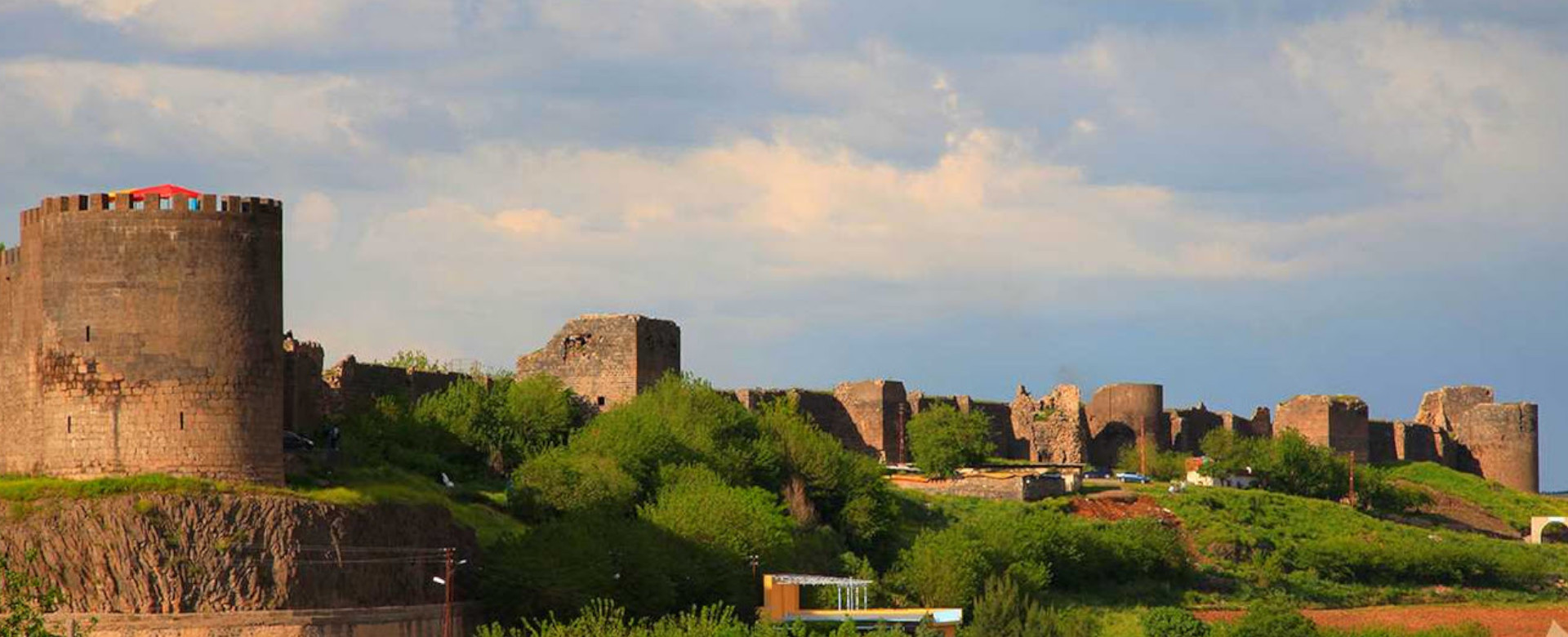
Diyarbakır, a city with a million inhabitants, is steeped in history, evident in its imposing black basalt walls. The old town, with its four cardinal gates, offers a wealth of attractions, including the Archaeology Museum, the 11th-century Diyarbakır Grand Mosque, and the recently restored Armenian church of St. George. The ancient art of storytelling is alive at Dengbêj Evi, where locals gather to share songs and tales. The walled city of Diyarbakır was added to the UNESCO World Heritage List in 2015.
Hasankeyf: A Mesopotamian Jewel in Batman
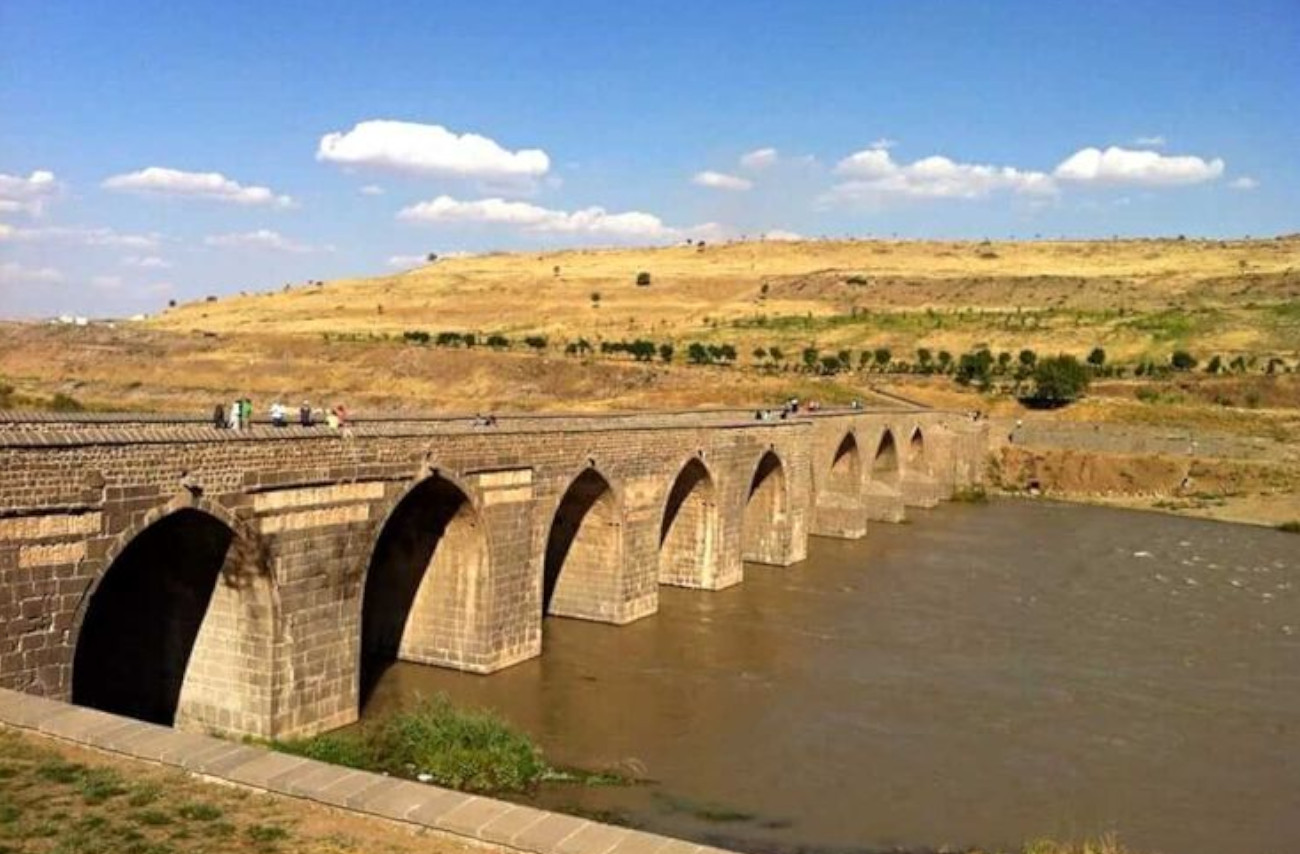
Once a crucial stop along the Silk Road, Hasankeyf flourished under Artukid rule after 1101 AD. Known as Hısn Keyfa, or Rock Castle, it boasts ruins of a bridge that once spanned the Tigris River and the Zeynel Bey Mausoleum, adorned with intricate turquoise tiles. Although much of Hasankeyf has been submerged due to dam construction, its historical significance endures.
Kırmızı Medrese: The Red School in Şırnak
Built on ancient walls in western Cizre, Kırmızı Medrese, or the Red School, dates back to the early 14th century. Constructed from native red bricks, this structure served as an educational institution and houses family cemeteries of ancient rulers. The inner courtyard is surrounded by classrooms, dining halls, and teacher lodgings, offering a glimpse into the architectural and educational practices of the time.
The Tumulus of Siirt: Echoes of Ancient Times
The Tumulus of Siirt, including the Tumulus of Güzir and Başur, are among the most magnificent archaeological sites in the region, adorned with bronze tomb artifacts and remnants of ancient Roman settlements. The city of Siirt is also home to the majestic Ulu Mosque, with its beautifully decorated minarets, and the İsmail Fakirullah Tomb, featuring a “Light Refraction Mechanism” recognized by UNESCO in 2015.
Traditional Olive Oil Production in Siirt
Siirt’s olive oil production follows a millennia-old tradition. Starting in mid-November, visitors can witness the process at local mills, where olives are ground using millstones, preserving an ancient method once powered by animals and now by engines. This tradition offers a deep connection to the region’s agricultural roots and a taste of its rich history.
Explore these remarkable destinations with My Land Traveler, and immerse yourself in the timeless beauty and history that Türkiye has to offer.
Good To Know
Country
Turkiye
Visa Requirements
Visa in not needed for EU and USA citizens.
Languages spoken
English, Turkish
Currency used
Turkish Lira